
R.A.D. Self Defense Programs
Rape Aggression Defense Training (R.A.D.)
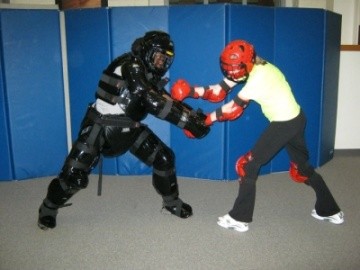
Founded in 1989, the Rape Aggression Defense System of self defense for women and children are currently taught at nearly 400 colleges, universities, rape crisis centers, municipal, state and county law enforcement agencies. It is a comprehensive course that begins with awareness, prevention, risk reduction and avoidance and progresses to the basics of hands-on defense training. The realistic defense tactics and techniques are simple to learn and effective. The R.A.D. course offered by Public Safety and Service is taught by certified R.A.D. instructors.
Course progression
The R.A.D. Basic Physical Defense System begins with a strong foundation of awareness, risk reduction and avoidance strategies, which R.A.D. believes is 90 percent of self defense training. The program then discusses the date rape mentality and an associated pattern of encounter, all just prior to discussing the decision to resist and the legalities associated with justifiable resistance. The course moves on to a thorough discussion of confrontational dynamics, basic physical defense principles, the postures of conflict, personal weapons of the body and selected target areas designed to stun an aggressor and allow the student to escape. After all of this is covered and presented for discussion, the physical training begins.
Starting slowly, the R.A.D. program systematically covers the basics of stances, yelling, movement, blocking, striking, and kicking. Tactics that are instructed methodically at first, becoming progressively more intense as the skill is acquired. The physical options continue with defenses against wrist grabs, bear hugs, and chokes, focusing on the student's personal weapons, the aggressors body targets and ultimately escaping. Then the system takes it to the ground by teaching participants the basic defense against prone assaults. Once all of the skills are taught and assimilated by the participants. R.A.D. begins the revolutionary simulation training process that separates reality from preconceived notions of what confrontation is like. Using the simulation training suit for self-defense the R.A.D. instructor creates the chaotic elements of real confrontation. This process actually allows students to test their skills and refine the critical plans of action that were selected and nurtured throughout the program.