Faculty and staff
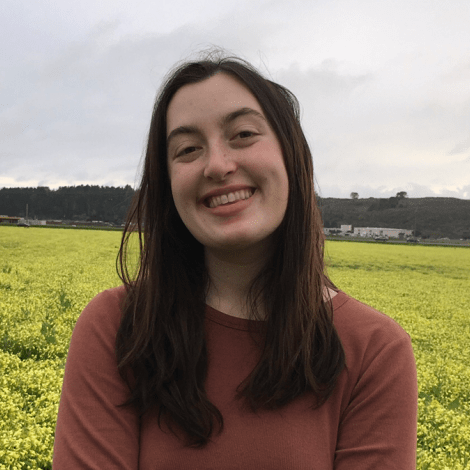
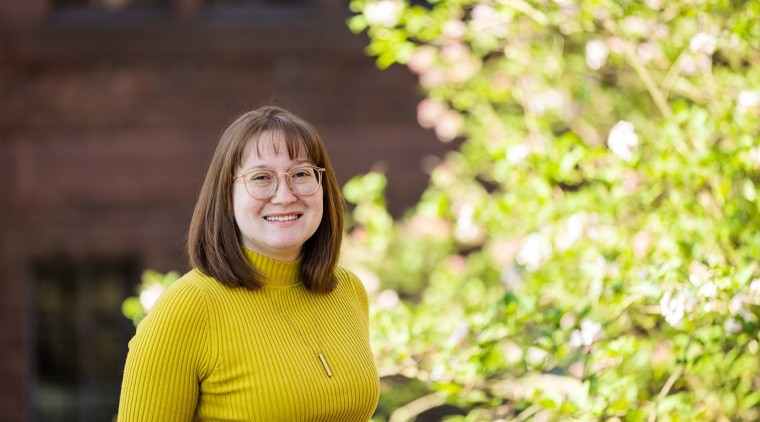
Jordan Lassonde ’16
- Associate Director of the SAW Program
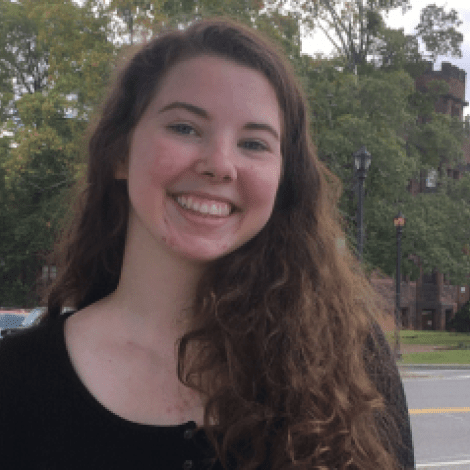
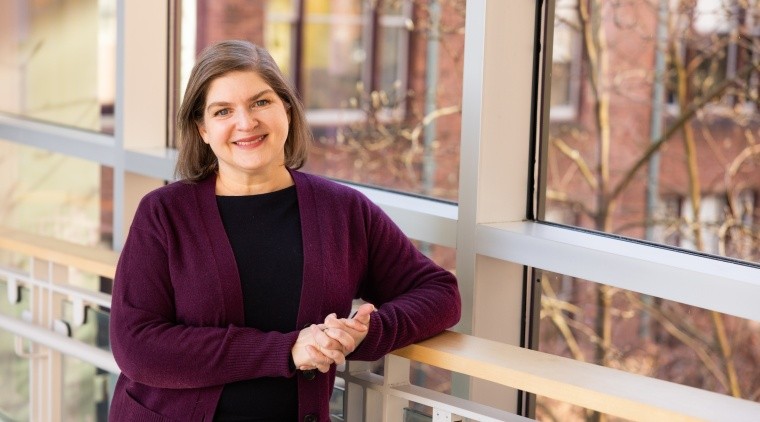
Amy E. Martin
- Professor of English on the Emma B. Kennedy Foundation
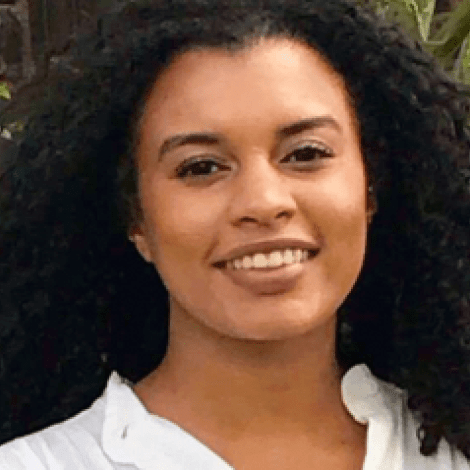
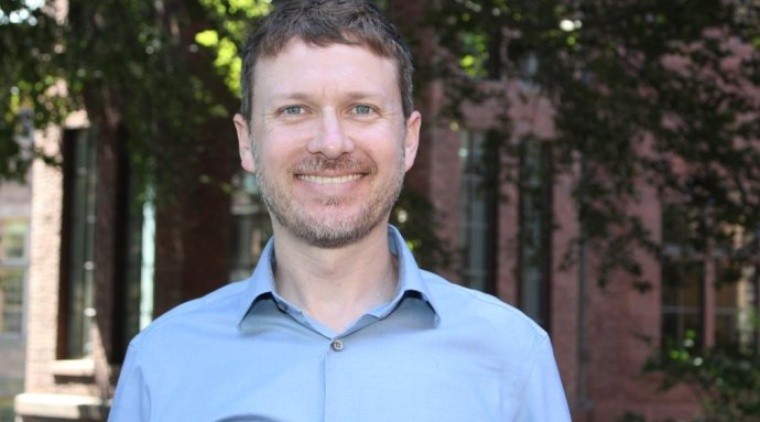
Mark C. Shea
- Senior Lecturer in English
- Faculty Director of SAW
- Coordinator of ESOL
The Speaking, Arguing, and Writing (SAW) Program's mission is to empower leaders who think critically and creatively and who write and speak persuasively.
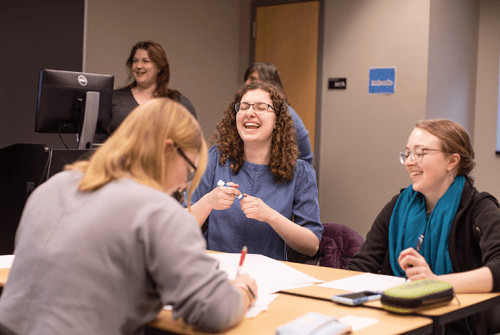
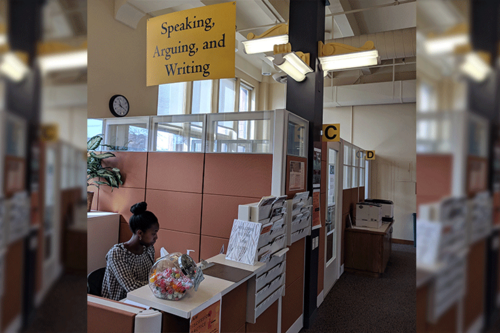
We believe that developing speaking, arguing, and writing skills is a social process. To foster a community of learners among the student body, we hire, educate, and place students as SAW Peer Mentors to partner with faculty in courses across the disciplines and to staff the SAW Center in the Mediated Educational Work Space (MEWS).
Critical, creative, and persuasive leaders possess diverse backgrounds, views, and voices. SAW affirms the value of and place for all people and all languages in the college.
The SAW Program is one of the core programs of the Weissman Center for Leadership and is guided by an advisory committee.
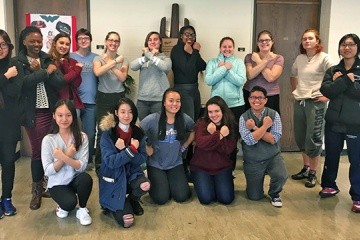
SAW’s Peer Mentoring Program employs 40-50 MHC students, hired and educated to work with their peers on speaking, arguing, and writing development. They are MHC sophomores, juniors, and seniors with majors in the Humanities, Social Sciences, Natural Sciences, and the Arts. They are international students and domestic students. They speak English, Geechie, Mandarin, Newari, Spanish, Twi, Urdu, and more.
SAW Peer Mentors use a conversation-based approach grounded in research on peer-led collaborative learning. They work with students to develop transferable skills and to nurture students’ feelings of confidence and self-efficacy. Students’ choices about language use are often personal and political. SAW Peer Mentors encourage students to think critically about their social contexts, to study language use with rigor, and to claim their own voices.
The SAW Mentor position is a paid on-campus position. Mentors typically work between 6-10 hours per week. A SAW Peer Mentor may work solely at the SAW Center or as a classroom-based Course Mentor each semester. Most mentors take advantage of both opportunities at some point during their time with the program.
Course Mentors work directly with a particular faculty member and students enrolled in their respective course. Over the course of the semester, the mentor has the opportunity to work with the same small group of students. The Course Mentor’s role is to initiate and to build a mentoring relationship with students via class participation, one-on-one meetings, group discussions, workshops, etc. As a result, the students receive the benefit of a close relationship and regular one-on-one attention to their work. The mentors profit immensely from being mentored in turn by the exceptional MHC faculty members with whom they work.
Some prospective SAW Peer Mentors are nominated by faculty members to apply and many seek to apply on their own. All submit an application, and finalists are invited for interviews.
They are selected to become SAW Peer Mentors on the basis of their interpersonal as well as oral and written communication skills.
Email saw@mtholyoke.edu for further information and to receive group updates and notifications.
The SAW Center invites all current MHC and 5-College students enrolled in a MHC course to meet with an experienced SAW peer mentor to discuss their work and process. Appointments are available Sunday through Friday during the academic year. Students may sign up for an appointment using our online scheduler or visit the SAW Center during a morning/evening drop-in hour.
Do you get anxious about speaking in class? Do class discussions feel like they are moving too fast to jump in to? Do you find it hard to jump into a discussions to state your point? Practice helps! Work with SAW mentors and your peers on activities to build fluency, prepare for class, and become a more confident discussion participant.
Open to all thesis-writing seniors, this group is led by SAW peer mentors and offers the opportunity to write-on-site and discuss your work in a relaxed, distraction-free environment. Discuss and refine your thesis writing goals, stay motivated with the help of your peers, receive feedback and advice on your writing, and discuss strategies for overcoming writer’s block and other obstacles that impede progress.
The Speaking, Arguing, and Writing (SAW) Program's mission is to empower leaders who think critically and creatively and who write and speak persuasively.